
Understanding how to effectively manage and implement licensing for Windows 11 is crucial for IT professionals. As a Software Licensing Specialist, navigating the intricacies of windows 11 activation can ensure compliance, optimize costs, and enhance operational efficiency. This article delves into strategic insights for seamless license management. Whether you are an individual user or part of a large organization, getting a firm grip on windows 11 activation processes can save time, reduce potential legal issues, and improve overall system performance.
The Essentials of Windows 11 Activation
The process of windows 11 activation involves validating your copy of Windows to ensure it’s genuine and hasn’t been used on more devices than allowed by the Microsoft Software License Terms. Successful activation ties your device to a valid product key, enabling full functionality and access to critical security updates. Without proper activation, users may face limitations such as restricted personalization options and constant reminders to activate their software.
Key Activation Methods
Windows 11 offers several methods for activation: digital licenses and product keys. A digital license is a convenient activation method that doesn’t require entering a product key. This method is often linked to your Microsoft account, streamlining reactivation if system changes occur. For organizations, this means less paperwork and easier management of licenses across multiple devices.
Using Product Keys for Activation
A product key is a 25-character code used during the installation process. It’s essential for users who upgrade from older versions like Windows 10. Ensure you have this key available; it can be found on the packaging or in a confirmation email. Keeping track of these keys is crucial for IT departments managing numerous installations simultaneously, ensuring that every device remains compliant with licensing agreements.
Digital License Versus Product Key
While both digital license and product key methods lead to successful windows 11 activation, they serve different use cases. Digital licenses are typically associated with online upgrades or pre-installed OS versions, whereas product keys are more common with physical purchases or bulk licensing agreements. Understanding which method applies to your situation can prevent unnecessary confusion and ensure smoother transitions when upgrading systems or performing fresh installations.
Tools and Commands for Troubleshooting Activation Issues
Troubleshooting activation issues might require knowledge of specific tools and commands. The Deployment Image Servicing and Management (DISM) tool can be invaluable. Use DISM to repair system images and potentially resolve activation problems caused by corruption errors. IT professionals often rely on these tools to maintain uninterrupted service despite technical glitches.
KMS Tools and Alternatives
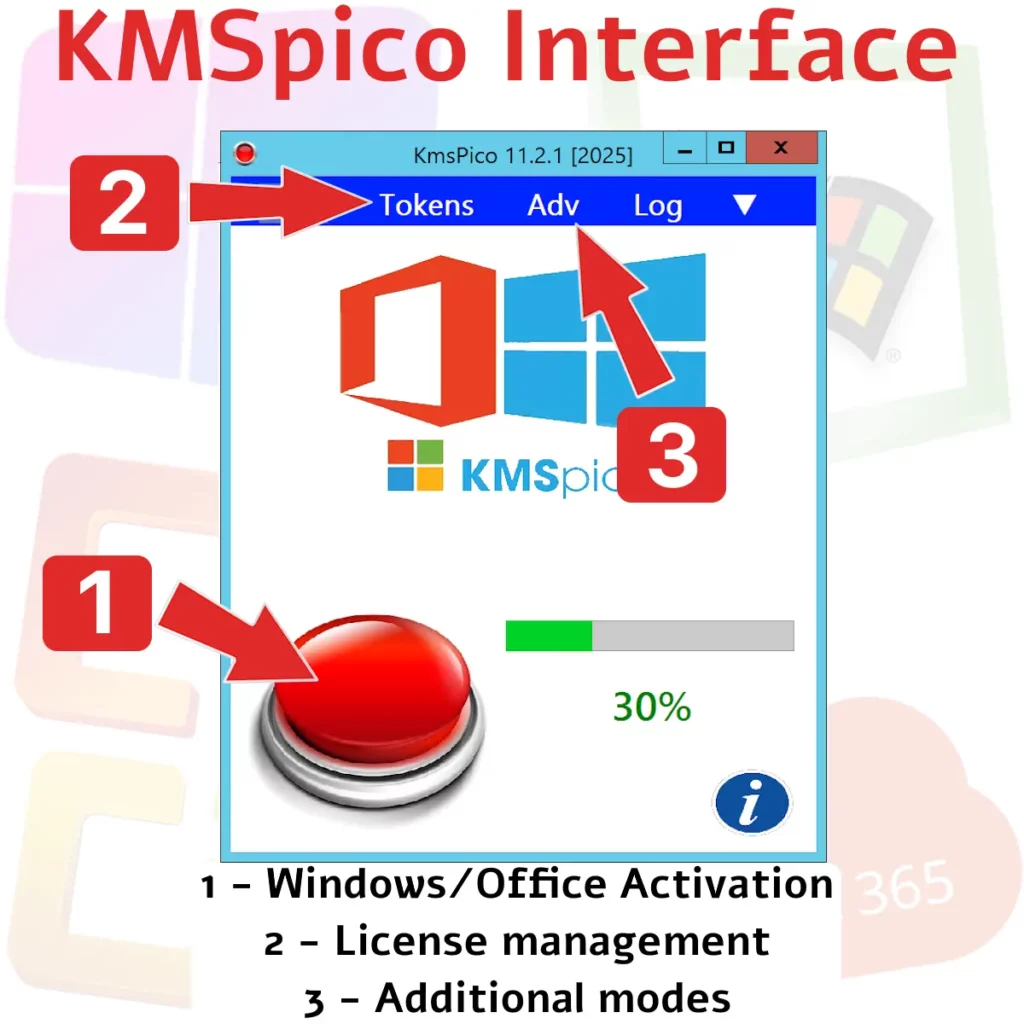
- KMSPico Portable: A popular tool often mentioned but caution is advised as it operates outside Microsoft’s terms.
- KMS Office 2016: Similar tools exist for other Microsoft products; understanding their risks and benefits is important for compliance.
Official Microsoft Solutions
Although third-party tools exist, official solutions provided by Microsoft are recommended, such as re-entering your activation key or using their customer support services to troubleshoot persistent issues effectively. Engaging directly with Microsoft ensures that any assistance received aligns perfectly with their policies, reducing the risk of future complications related to unauthorized software use.
Strategic Considerations for Enterprise Environments
In enterprise settings, managing windows 11 activation across numerous devices presents unique challenges. Volume licensing agreements offer tailored solutions that streamline this process through centralized control over multiple activations. Enterprises benefit from having a single agreement governing all their software needs, simplifying administrative overheads significantly.
Benefits of Volume Licensing
Volume licensing not only simplifies deployment but also offers cost savings. It provides flexibility in managing activations through better control mechanisms facilitated by Microsoft’s Volume Activation Services toolkit. This approach allows businesses to scale efficiently while maintaining compliance across all their operations globally.
License Management Best Practices
- Inventory Tracking: Maintain an updated list of activated devices to ensure compliance.
- Synchronized Accounts: Link all relevant devices via a unified Microsoft account to facilitate easier management of digital licenses.
Navigating Licensing in Virtualized Environments
If you’re using virtual machines (VMs), there are specific constraints to consider, such as ensuring each VM meets the minimum requirements like 2 vCPU / 4 GB RAM for optimal performance during windows 11 activation processes. Virtualization introduces additional layers of complexity in license management but also offers opportunities for optimizing resource utilization.
Troubleshooting VM Activation Issues
Activation within VMs can sometimes encounter errors due to hardware changes or misconfigurations. Regularly snapshotting your VM before significant changes ensures you have a fallback option without risking deactivation. Proactive measures like these help maintain service continuity even when unexpected issues arise.
Automation Opportunities in VMs
Leverage automation scripts that integrate with Azure AD or equivalent systems to streamline bulk activations in cloud environments, minimizing manual oversight while maintaining compliance standards. Automation not only reduces human error but also accelerates deployment times significantly in large-scale IT projects.
The Future of Windows Licensing Strategies
The landscape of software licensing continues to evolve alongside technological advancements. With the rise of cloud computing and subscription models, staying informed about new developments ensures your strategies remain effective and compliant with modern standards. Organizations need adaptive strategies that can quickly pivot as new licensing models emerge from major software providers like Microsoft.
Evolving with Microsoft’s Licensing Models
As Microsoft pushes towards subscription-based models like Microsoft 365, understanding how these changes impact windows 11 activation can position organizations favorably in terms of cost management and technological agility. Businesses that adapt quickly gain competitive advantages by leveraging scalable solutions that align with modern business needs.
Final Thoughts on Staying Compliant
Navigating windows 11 activation effectively requires an understanding of both technical tools and strategic frameworks. By leveraging these insights, organizations can enhance their license management capabilities while minimizing risks associated with non-compliance. Staying informed about industry trends and best practices positions companies well for future growth while safeguarding against potential legal pitfalls related to software misuse.
This comprehensive understanding not only secures adherence to legal standards but also ensures operational excellence in the technology sector’s ever-changing landscape. With strategic foresight into windows 11 activation’s evolving nature, companies stand poised to leverage technological advancements further cementing their competitive edge in the marketplace.
The journey toward mastering windows 11 activation isn’t just about following guidelines; it’s about crafting an efficient strategy tailored to unique business needs while embracing innovation responsibly. In doing so, companies build resilient infrastructures capable of adapting swiftly to emerging trends without compromising integrity or performance quality.
The path forward involves continuous learning and adaptation as the digital realm grows increasingly complex yet filled with opportunities for those prepared to navigate its intricacies skillfully through robust windows 11 activation strategies.